Category: Moving Tips

  • How to Pack Boxes for Moving: A Singapore Movers Complete Guide

    How to Pack Boxes for Moving: A Singapore Movers Complete Guide

    Moving house can feel exciting and stressful at the same time. A fresh start sounds great until you are standing in a room full of belongings wondering how to pack your boxes without something breaking.

    • What goes in first? 
    • How do you pack fragile items into boxes? 
    • Which things should never share a box?

    At Rodex Movers, we provide complimentary moving boxes delivered to your home or office before moving day. But once the boxes arrive, knowing how to pack them properly is what makes the real difference. You want fewer damaged items, less wasted space, and a much smoother unpack on the other side. Here is how you can go about packing your boxes: quickly, safely and efficiently: 

    Essentials You Need Before You Start Packing Boxes

    A calm and organized move often begins before a single item goes into a box. Many people only realize what they are missing once packing has already started. Suddenly there is no tape left, not enough cartons, or fragile items have nothing to cushion them with. A little preparation now can make the days leading up to your move feel far smoother.

    1. Packing Supplies

    Keeping all packing supplies in one place makes the process faster and less messy.

    Here are the basics worth preparing first:

    • Strong moving boxes in standard sizes for general household items. 

    For example, medium double-walled cartons are commonly used for house moves because they are easy to carry, stack well, and suit a wide range of items. At Rodex Movers, we provide our clients with new double walled carton boxes measuring 51cm (L) x 41cm (W) x 41cm (Ht). 

    • Smaller double-walled book boxes 

    These are ideal for heavier belongings such as books, files, canned goods, CDs, and compact fragile items, as they keep weight more manageable. At Rodex Movers, we provide our clients with smaller sized double walled carton boxes measuring 46cm (L) x 30.5cm (W) x 33cm (Ht). 

    • Packing tape that seals securely. 
    • Bubble wrap or packing paper for delicate items
    • Markers or labels for clear box names. 
    • Ziplock bags for screws, keys, chargers, and loose parts. 
    • Stretch wrap for bundled items or drawers
    • Protective covers for mattresses or furniture if needed

    Choosing sturdy double walled cartons is especially important. Boxes that are too old, thin, or damaged may give way when lifted or stacked. 

    If sourcing boxes and packing materials takes too much time, having them arranged in advance can make packing easier. At Rodex Movers, free boxes are provided before moving day so clients have time to pack without rushing.

    2. Number of Boxes Required

    The right number of boxes depends on the size of your home, how much you own, and what needs to be moved. While smaller homes usually need fewer cartons and larger homes often need more, the most accurate estimate comes after a site assessment.

    At Rodex Movers, we offer free before-move site assessments for all our clients, so that they get a clear estimate of the number of boxes they need and an accurate quotation. 

    Step-by-Step Guideline to Pack Boxes Properly

    1. Choose the Correct Box Size

    Use smaller book boxes for heavy items such as books, files, tools, or canned goods, as they keep the weight easier to manage. Standard moving cartons suit everyday household belongings such as clothing, linens, shoes, toiletries, crockery, and general items. 

    Larger boxes work best for light bulky belongings like pillows, bedding, cushions, and soft toys.

    2. Reinforce and Cushion the Base

    Seal the bottom of every box with strong tape before packing. Then line the base with packing paper, bubble wrap, towels, or soft fabrics for added protection.

    3. Pack Heavy Items First and Fill Gaps

    Place heavier items at the bottom and lighter ones above. Fill any empty spaces with paper or cloth to prevent movement during transport, especially for fragile items.

    4 Avoid Overloading and Seal Securely

    If lifting it feels awkward, split it into two boxes. Once packed, close the flaps evenly and tape all openings well.

    5. Label Clearly

    Write the destination room and a short note of what is inside. Mark delicate boxes clearly so they can be handled with extra care.

    6. Keep Daily Essentials Separate

    Pack one box or bag with items you may need straight away, such as chargers, toiletries, medicines, snacks, and a change of clothes.

    How to Pack Fragile Items in Boxes

    Fragile items need more attention than regular household things. Whether it is packing kitchen items like wine glasses and dinnerware or decor pieces like photo frames and sentimental keepsakes, packing them properly lowers the chance of damage.

    • Wrap Items One by One

    Each fragile item should be wrapped separately rather than grouped together. Packing paper, bubble wrap, towels, or soft cloth can help create a protective layer around every piece.

    • Stand Plates and Flat Items Vertically

    Plates, trays, and similar flat pieces are often safer when packed upright inside the box, instead of stacked flat. This reduces direct pressure and lowers the chance of cracking. 

    Use dividers, rolled paper, or soft padding between cups, glasses, and bottles so they do not knock against one another in transit.

    • Use Double Protection for Valuable Pieces

    For delicate or higher-value items, consider wrapping them twice or placing them inside a smaller protected box before placing that box into a larger one with padding around it.

    • Mark Priority Boxes for Immediate Unpacking

    If the box contains kitchen essentials or daily-use breakables, label it clearly so it can be unpacked first after arrival.

    • Consider Help for Large Fragile Pieces

    Mirrors, artwork, glass tabletops, and display cabinets often need more than standard packing. These items usually benefit from careful wrapping, proper lifting, and selection of the right transport vehicle for transfer. 

    Common Mistakes People Make When Packing Boxes

    • Overpacking Boxes

    It is tempting to fit as much as possible into one carton, especially when time is short. However, overloaded boxes are harder to lift, more likely to tear, and can place extra strain on items inside. 

    • Using the Wrong Box for the Wrong Items

    Heavy books in a large box or delicate glassware in a weak carton can lead to damage and frustration. Matching the box size and strength to what goes inside helps everything stay more secure.

    • Forgetting to Label Properly

    Unlabelled boxes seem harmless at first, but become frustrating later. Clear labels with room names and basic contents make unloading and unpacking far smoother.

    • Leaving Empty Space Inside

    Fragile items that move around during transport are more likely to break or get scratched. Filling gaps with paper, towels, or soft materials helps keep contents steady.

    • Ignoring Fragile or Essential Items

    Some belongings need extra attention, while others should stay easily accessible. Setting aside delicate items and keeping essentials separate can make the first day in your new home much easier.

    Frequently Asked Questions

    1. What is a book box used for?

    A book box is a smaller, stronger carton designed for heavy items such as books, files, canned food, and compact fragile belongings.

    1. How many moving boxes do I need?

    It depends on your home size and how much you own. A site assessment often gives the most accurate estimate.

    1. Where can I get boxes for packing?

    Many movers, including Rodex Movers, provide boxes as part of their house moving services, while some may offer them at an additional cost. Apart from movers, packing boxes in Singapore are also commonly available from self-storage providers, packaging suppliers, office supply stores, and selected hardware or home improvement retailers.

    1. How do I pack boxes efficiently?

    Start with items you use less often, group similar belongings together, avoid overfilling, and label every box clearly.

    1. How heavy should a moving box be?

    A box should be manageable to lift safely. If it feels too heavy or awkward, divide the contents into two smaller boxes.

    1. How do I label moving boxes properly?

    Write the room name and a short note of what is inside. Mark delicate items clearly for easier handling.

    1. How thick should moving boxes be?

    Double-walled cartons are usually a better choice for heavier items or boxes that need to be stacked.

    1. What should I pack first when moving house?

    Begin with seasonal clothing, books, décor, spare linens, and other items you do not use daily.

    1. What should not go into moving boxes?

    Keep passports, valuables, medications, chargers, and important documents in a personal bag for easy access.

    1. Can I get boxes delivered before moving day?

    Yes, most experienced movers provide boxes in advance so you have enough time to pack before the move. 

    1. Can I get boxes packed for me?

    Yes. Some house movers in Singapore offer packing services using suitable boxes and protective materials as an add-on service. Rodex Movers is one of them. We offer packing and unpacking support at an additional cost, helping to speeden up your moving process from start to finish.Learning how to pack boxes properly can make moving feel far less stressful than it first seems. With the right materials, a clear packing plan, and a little patience, you can protect your belongings and make settling into your new home much easier.
  • How to Pack Kitchen Items for Moving: A Singapore Movers Complete Guide (2026)

    How to Pack Kitchen Items for Moving: A Singapore Movers Complete Guide (2026)

    Packing your kitchen is often one of the most challenging parts of moving house. It’s not just about putting things into boxes but you also need to handle fragile items, prevent spills, and organise many small kitchen essentials that can easily get lost.

    With a mix of delicate, heavy, and oddly shaped items, kitchen packing requires more careful planning compared to other rooms. The good news is, with the right kitchen packing system, you can pack everything safely and efficiently. In this guide, we’ll walk you through practical kitchen packing tips to help protect your items throughout the moving process.

    How to Pack every type of Kitchen Item Safely

    Once your kitchen is prepared, it’s time to start packing. Follow this structured approach to minimize damage and keep everything organized during the move.

    1. How to Pack Heavy and Non-Fragile Kitchen Items?

    When packing your kitchen, it’s best to begin with the items that are least likely to break. Heavy and non-fragile items not only simplify the packing process, but also help create a stable foundation inside your boxes. Getting this base right makes everything else easier and much safer to stack later on.

    • Pack pots, pans, and metal utensils first. These items are sturdy enough to handle pressure during the move, so they’re ideal as your starting point before moving on to more delicate items.
    • Use small boxes for heavy kitchen items. While it may seem efficient to use large boxes, they can quickly become too heavy to lift and are more likely to break at the bottom during transport.
    • Place heavier items at the bottom of each box. This creates a solid base and prevents lighter or more delicate items from being crushed under weight.

    2. How to Pack Fragile Kitchen Items?

    Fragile kitchen items include

    • Ceramic plates and bowls
    • Glass cups and mugs
    • Rice bowls, typically ceramic or porcelain
    • Chinese clay or ceramic teapots 
    • Glass storage containers and lids

    These items need extra care during packing because they are easily affected by pressure and movement during transport. The goal is to protect each item at its weakest points and prevent direct contact that could lead to cracks or breakage. This is why using the right method for packing fragile items is important when handling kitchenware. For fragile kitchen items, you can:

    • Create a cushioned base and padding around the box. Line the bottom of the box with a thick layer of crumpled packing paper, and add padding along the sides as well. Fragile items should never touch the box walls directly, as impact during transport can transfer force and cause breakage.
    • Wrap plates individually and store them vertically. Instead of stacking plates flat which concentrates pressure on the bottom piece, place them upright like books on a shelf. This positioning helps distribute weight more evenly and reduces the risk of cracking.
    • Add padding inside and outside of glasses. Start by stuffing the inside with crumpled paper to support the structure, then wrap the outside to absorb external impact. This double-layer protection helps prevent breakage.
    • Stack bowls with proper cushioning between each piece. While bowls can be stacked, they should never touch directly. Adding padding between each layer helps absorb shock and prevents surface damage.
    • Avoid mixing fragile items with heavier kitchenware in the same box. Even slight pressure or movement during transport can cause cracks or breakage, especially when heavier items shift and press against delicate items.

    3. How to Pack Kitchen Appliances?

    Kitchen appliances often need more care than they seem. Even though they look strong on the outside, many have parts inside that can be easily damaged during a move. That’s why preparing them properly before they go into a box is just as important as the packing itself.

    • Start by unplugging, cleaning, and drying each appliance completely. Make sure there’s no water or food left, as this can cause bad smells or damage during the move, especially if the items stay packed for hours.
    • Secure all cords neatly before packing. Wrap cords tightly and tape or tie them in place so they don’t swing around, scratch surfaces, or get damaged during handling.
    • Use original boxes if available. These boxes are designed to protect the appliance with the right fit and support, reducing movement inside the box.
    • Add sufficient padding around each appliance. If you don’t have the original box, create your own protection. Wrap the appliance with bubble wrap or soft materials, then place it in a strong box with padding on all sides to absorb impact.
    • Avoid placing heavy items on top of appliances. If possible, place them on top of other boxes or move them separately to reduce pressure during transport.

    4. How to Pack and Handle Food, Spices, and Liquids?

    Packing food is a bit different from packing other kitchen items. It’s not just about keeping things sealed and organized, you also need to think about timing and temperature, especially in Singapore’s warm climate, where food can spoil faster than expected if not handled properly. Even a small leak can create a mess across multiple boxes.

    Because of this, it’s important to plan ahead and know how to handle different types of food, including refrigerated and frozen items during the move. A little preparation can make a big difference in keeping everything safe and avoiding unnecessary waste.

    • Reduce the amount of food you need to bring before moving. Plan your meals ahead of time so you can use up as much as possible. If you have unopened items, consider sharing them with neighbors, friends, or family instead of packing everything.
    • Seal dry food tightly before packing. Store items like rice, pasta, snacks, and spices in airtight containers or double-sealed zip bags to prevent spills
    • Secure liquids properly to prevent leaks. Keep bottles tightly closed, pack them upright, and add an extra layer of protection by wrapping the opening with plastic wrap.
    • Pack refrigerated and frozen items last. Do this just before leaving the house so they stay at a safe temperature and are not exposed to heat for too long.
    • Use insulated cooler boxes to keep food cold. Add ice packs to help maintain the temperature during transport, especially in warm weather.
    • Limit how long food stays at room temperature. In a warm climate like Singapore, food can spoil quickly, so avoid delays. For longer moves without proper cooling, it may be better not to bring frozen items at all.
    • Keep food separate from cleaning products or chemicals. Since many cleaning products are also liquids, it’s easy to mix them up once everything is wrapped and packed. Storing them in separate boxes helps prevent food contamination.

    5. How To Pack Them All Together? 

    Fill Empty Spaces and Seal Boxes Properly. Even when items are packed carefully, movement inside the box can still cause damage if there are gaps. Boxes are often lifted, stacked, and shifted multiple times, so keeping everything secure inside is just as important as how you pack them.

    • Fill gaps using soft materials. Use packing paper, towels, or clothes to remove gaps and keep items from shifting.
    • Make sure items are not touching the box walls directly. Add padding around the sides so impact doesn’t transfer directly to your fragile kitchen items.
    • Test the box by shaking it gently. If you feel any movement inside, add more cushioning until everything feels secure.
    • Seal the box tightly with strong packing tape. Reinforce the bottom and top seams to make sure the box can hold its weight.
    • Label the box clearly before moving. Mark fragile or liquid items so they can be handled with extra care during transport.

    Key Rules and Common Mistakes When Packing Kitchen Items for Moving

    After going through all the packing steps, it helps to keep a few simple rules in mind. Think of this as your final checklist before sealing every box, small kitchen packing tips that can make a big difference during the move.

    1. Be extra careful with liquids

    Liquids in the kitchen are another area where small mistakes can turn into big problems. A slightly loose cap or a tilted bottle can lead to leaks that affect multiple items in the same box. Keeping them sealed inside Ziplock storage bags and upright will help you avoid messy surprises later.

    2. Label with purpose and clarity

    Don’t overlook the importance of clear labeling. It may seem like a small step, but knowing exactly what is inside each box can make the entire moving process smoother. Instead of just writing “kitchen,” add useful notes like “fridge items”, “dry cereals” or “liquids”.

    3. Avoid last-minute packing

    Except for the last 1 or 2 boxes reserved for refrigerator items, pack all other kitchen items at least a day before your move. Packing in a rush often leads to disorganized boxes and missed steps. This can end up causing confusion and unnecessary stress during the move. 

    Well, it turns out that packing kitchen items for moving isn’t as overwhelming as it seems. With the right materials, a clear order of priority, and a little patience, you can get everything from your heaviest pot to your most delicate rice bowls to your new home without a scratch. The key is giving yourself enough time, as rushed packing is where most damage happens.

    If you would rather skip the packing hassle altogether, Rodex Movers offers packing and unpacking services as an add-on to any house move. We also supply the boxes for packing in advance, so you have ample time to prepare for your house move without scrambling for materials at the last minute.Get started with an instant quotation for your move here.

  • How to Pack Fragile Items for Moving: A Singapore Mover’s Complete Guide

    How to Pack Fragile Items for Moving: A Singapore Mover’s Complete Guide

    You can label a box “FRAGILE” in red marker and still open it to find your grandmother’s porcelain in three pieces. The label was never the problem. The packing was.

    After 18 years and more than 15,000 moves across Singapore, HDB flats in Tampines, condos in Buona Vista, landed homes in Serangoon, our team at Rodex Movers has seen every way a fragile item can survive a move and every way it can fail. This guide is everything we have learned, written out in plain language so you can pack your valuables the right way, whether you are doing it yourself or handing it off to us.

    Why Packing Fragile Items in Singapore Is Different

    Most packing guides are written for house moves abroad: wide driveways, ground-floor access, dry climates. Singapore is a different environment entirely. Here is what makes it harder on fragile items:

    a. Lifts, corridors, and HDB realities

    In most HDB blocks, the lift is shared. You have a window. Items get shifted in the stairwell when the lift is busy. Narrow corridors mean boxes get tilted, bumped, and rotated in ways they would never be in a house with a front door and a driveway. Any fragile item that isn’t packed to survive that kind of handling in a tight space is at risk.

    b. Lorry vibration on Singapore expressways

    The road from your old flat to your new one crosses the CTE, PIE, or AYE. A moving lorry travels at 70 to 90 km/h. Even with careful driving, road vibration is constant. Items that are not packed snugly, with zero void space inside the box, will shift and collide during transport. That is how glassware breaks in transit with no rough handling at all.

    c. Singapore’s humidity

    Singapore sits at 70 to 90% relative humidity year-round. Cardboard boxes absorb moisture over time and lose structural integrity. If you are reusing old boxes, boxes that have been sitting in a storage room or under your bed, there is a real chance the base will give out when lifted. Electronics and framed artwork are especially sensitive: moisture can warp wooden frames, cause condensation inside screens, and damage paper-backed prints. Always use new, uncrushed boxes for fragile items.

    What You Need Before You Start Packing

    Having the wrong materials is the single most common reason fragile items break on a move. These are the essentials:

    • New double-walled cardboard boxes: Double-walled boxes resist compression and corner impact. For electronics, use appropriately sized double-walled boxes or, ideally, the original product packaging.
    • Packing paper (unprinted): Do not use newspapers. Newsprint ink transfers onto surfaces, especially in Singapore’s humidity, and can permanently stain ceramics, glass, and fabric. Use plain unprinted packing paper. You will need more than you think, budget at least four to five sheets per fragile item or engage a professional mover in Singapore.
    • Bubble wrap: For items with irregular shapes, protruding handles, or thin walls. Bubble wrap absorbs impact that packing paper alone cannot handle. Wrap with the bubbles facing inward, against the item.
    • Packing tape (quality). Avoid using masking tape or duct tape. Use proper packing tape that seals cleanly and holds under the weight of stacked boxes. Reinforce every box base with at least three strips across the seam.
    • Foam sheets or foam corner protectors: Essential for mirrors, glass panels, and framed artwork. Corner protectors stop the most vulnerable points of a frame from taking direct impact.
    • Marker and fragile labels: Label every side, not just the top. When boxes are stacked, the top is hidden. Write “FRAGILE” on all sides of every box.

    The Five Rules That Apply to Every Fragile Item

    Before we get into specific items, these five rules apply universally. Break any one of them and no amount of bubble wrap will save you.

    • Rule 1: Heavy items go in small boxes. A large box full of plates is too heavy to carry safely. The bottom will give out. Heavy fragile items go into small or medium boxes. Light items like lampshades or cushions go in large ones.
    • Rule 2: Fill every void. A box that rattles is a box that breaks. If you can hear items shifting when you shake the box, crumple more paper and fill the gaps. The contents should feel solid when the flaps are closed.
    • Rule 3: Reinforce the base. Three strips of packing tape across the bottom seam, plus one strip on each side seam. Then a second reinforcing pass across the middle. This is not optional.
    • Rule 4: Wrap every item individually. Two unwrapped items touching each other inside a box will break. Every single fragile item gets its own wrapping, regardless of how sturdy it looks.
    • Rule 5: Label on the side, not just the top. When boxes are stacked in the lorry, the top label is invisible. Write “FRAGILE” on all sides of every box carrying fragile items.

    How to Pack Fragile Items: Room by Room, Item by Item

    Plates, Bowls, and Flatware

    Plates break most often during moves because people stack them flat. Flat stacking concentrates all the force on the bottom plate. The correct method is vertical, like books standing upright on a shelf.

    • Line the bottom of the box with 4 to 5 inches of crumpled packing paper. Add a layer of padding around the sides too, plates should not be touching the box walls directly.
    • Wrap each plate individually. Place two to three sheets of paper on a flat surface. Put the plate in one corner. Fold the corner over, tuck the sides in, and roll until fully wrapped. Secure with tape.
    • Stand plates on their edge: vertically, like books standing upright on a shelf. Never flat.
    • If you have foam sleeves, slide each wrapped plate into one before standing it in the box. They are available on Shopee and Lazada and are worth it for your better crockery.
    • If the plates don’t completely fill the box, pack the remaining space tightly with crumpled paper so nothing can shift. 
    • The box should feel solid (not rigid, but with zero movement) when you shake it.

    Seal and label: “FRAGILE” on all sides of your box.

    Glasses, Cups, Mugs, and Stemware

    Glasses fail at their weakest structural point: the rim, the stem, or where the handle meets the body. Pack with those stress points in mind.

    • For regular glasses and mugs: stuff the inside with crumpled paper first. This prevents the glass from collapsing inward under lateral pressure. Then wrap the outside in two to three sheets.
    • Place glasses upside down (rim down, base up) in the box. This is more stable than rim up.
    • For stemware (wine glasses, champagne flutes): wrap the stem and base separately before wrapping the full piece. The stem is the weakest point. Each piece should be a substantial paper ball by the time you are done.
    • For cups and mugs: wrap the handle separately before wrapping the full mug. Handles snap at the join when boxes are bumped.
    • Use cardboard divider inserts if available: they keep glasses from contacting each other and are worth the extra cost for your best pieces.

    Ceramics, Vases, and Ornaments

    Irregular shapes are the hardest to pack because standard wrapping leaves exposed points. The goal is to eliminate all hard edges before the item goes into the box.

    • For items with protruding elements, handles, spouts, narrow necks, wrap those points first with a dedicated layer of bubble wrap before wrapping the full piece.
    • For tall vases: fill the interior with crumpled paper before wrapping the outside. An empty vase interior increases fragility under compression.
    • Place ceramics upright in the box, never on their side, unless they are flat.
    • Surround with foam sheets or crumpled packing paper on all sides. No surface of the item should be in contact with the box wall.

    Temple Altars, Deity Figurines, and Religious Items

    This is one of the most common categories we handle in Singapore homes, and one that is rarely covered in moving guides. Many families have porcelain or resin deity figurines, incense urns, and altar vessels that are both fragile and irreplaceable.

    • Wrap figurines in multiple layers of unprinted packing paper first, then add a layer of bubble wrap. The paper prevents the bubble wrap texture from pressing into fine paintwork or surface detail.
    • Pack each figurine in its own small box before placing it in a larger moving box. The inner box adds a layer of shock absorption that wrapping alone cannot provide.
    • Incense urns and ceramic holders: empty completely, wrap the base and any decorative elements separately, then wrap the full piece.
    • Do not mix religious items with kitchen items or general household goods in the same box. Keep them together in a clearly labelled dedicated box, it also makes unpacking easier.

    Electronics: TVs, Laptops, and Home Appliances

    Electronics are sensitive to three things: impact, static electricity, and moisture. In Singapore’s humidity, moisture is a real risk, especially for electronic items that have been stored rather than in daily use.

    • Use the original packaging whenever possible. Factory packaging is designed precisely for the dimensions and fragility of the device. If you no longer have it, use a double-walled box sized as closely as possible.
    • For flat-screen TVs: place a soft cloth or foam sheet directly against the screen surface before wrapping in bubble wrap. Never use bare bubble wrap against a screen, the texture can cause micro-scratches. Always transport a TV vertically, standing up, never flat. A flat TV in a lorry is a broken TV.
    • For laptops and monitors: back up all data before packing. Wrap in an anti-static bag if available, then in bubble wrap, then in the box. Ensure the screen is not under any compressive pressure.
    • For microwaves, rice cookers, and small appliances: remove all detachable parts (turntables, lids, accessories) and pack them separately wrapped. Wrap the main unit in bubble wrap and pack tightly with no void space.
    • Label electronics boxes clearly with “THIS SIDE UP”. A TV box that ends up on its face in the lorry is at high risk.

    Mirrors, Framed Pictures, and Artwork

    Flat items have a different enemy from glassware: not impact, but flexion. A mirror can survive a bump but will crack if the box bends during transit. Your goal is rigidity.

    • Apply a cross of masking tape across the glass surface in an X pattern before wrapping. If the glass cracks despite your best efforts, the tape holds the shards together and prevents secondary damage.
    • Add corner protectors, foam or cardboard, to all four corners. Corners take the most force in any impact.
    • Wrap the full piece in bubble wrap with bubbles facing inward. Secure with tape.
    • Use a flat picture box or mirror box. These telescoping boxes are designed specifically for this purpose. If unavailable, create a sandwich: place the wrapped piece between two flat sheets of thick cardboard and tape the assembly together.
    • For canvas paintings: do not put bubble wrap directly against the painted surface. Wrap first in glassine paper or plain tissue paper, then add bubble wrap over that.
    • Store upright in the lorry, not flat. Flat is how mirrors break.

    Glass Furniture Panels (Coffee Tables, Cabinet Doors, Display Shelves)

    Glass panels in furniture are one of the most commonly broken items in Singapore moves, mainly because people leave them attached to the furniture during the move.

    • Always remove glass panels from furniture before the move, where possible. Disassemble glass coffee table tops, remove glass cabinet doors from their hinges, and detach glass shelves.
    • Wrap each panel individually using the same method as mirrors, painter’s tape X on the surface, corner protectors, full wrap in bubble wrap, packed upright.
    • Clearly mark the box with which piece of furniture the panel belongs to. Glass panels from different pieces of furniture look identical once packed.

    Specific Tips for HDB and Condo Moves in Singapore

    a. Communicating with your movers about fragile items

    When the movers arrive, let them know which items are fragile and where they are in the home. A quick two-minute walkthrough at the start saves time and avoids any surprises, especially for oddly placed items like a wall-mounted mirror or a freestanding display cabinet with glass panels.

    b. Lift access and timing

    In many HDB blocks, the lift is shared. Items may need to wait in the corridor while the lift is in use. Make sure your fragile boxes are not left unattended on the ground where they can be tripped over, or in a position where other boxes will be stacked on top of them.

    c. Packing order matters

    Pack your fragile items last before the move so they come out of the lorry first at the new location. The last items loaded are the first off. Fragile boxes should never sit under heavy furniture in the lorry for a 45-minute expressway trip.

    d. Do not overload boxes

    An overloaded box is a dangerous box. The base seam will give out, often in transit on the lorry, not at a moment when anyone can catch it. Keep every box to a manageable weight.

    When to DIY and When to Let the Professionals Pack It

    Most everyday fragile items, standard glassware, kitchen ceramics, regular electronics, can be packed well by a careful homeowner with good materials and enough time. Start at least a week before moving day and do not rush.

    There are situations where professional packing is worth paying for:

    • Antiques and high-value collectibles where replacement cost or sentimental value is significant
    • Pianos, large aquarium tanks, and oversized specialty equipment that require custom crating
    • International moves where items will be in transit for weeks and need to meet shipping requirements
    • Time-pressed moves where the cost of breakage outweighs the cost of professional packing

    At Rodex Movers, we offer a same-day packing and unpacking service where our team handles the entire process from wrapping to placement at the new location. This includes fragile items. Our movers have handled fragile goods across 15,000+ Singapore moves and carry optional goods-in-transit insurance for added protection.

    Frequently Asked Questions

    1. Can I use newspaper to wrap fragile items in Singapore?

    No. Newspaper ink transfers onto surfaces, particularly in Singapore’s humid climate. It can permanently stain white ceramics, glass surfaces, and painted finishes. Use unprinted packing paper instead.

    2. Should I pack fragile items myself or let the movers pack them?

    For standard everyday items, DIY packing with proper materials and enough time is fine. For antiques, electronics, artwork, and irreplaceable items, getting professional house movers in Singapore to pack them is worth the investment. Both for the skill and because professionally packed items are more likely to be covered under goods-in-transit insurance.

    3. What happens if something breaks during the move?

    If you are moving with Rodex Movers, we offer optional goods-in-transit insurance that covers damage during the move. Speak to our team at the quoting stage about adding this to your booking. Items packed by the homeowner are typically covered differently from items packed by the mover, ask your insurance provider or mover for the exact terms.

    4. How far in advance should I start packing fragile items?

    At least one week before moving day. Fragile items take significantly longer to pack properly than regular items. Rushing is the most common cause of breakage. not the move itself.

    5. Are large boxes better for fragile items?

    No. Large boxes filled with fragile items become too heavy to lift safely, and the extra space increases the chance of shifting during transit. Use small to medium boxes for fragile items. Reserve large boxes for light items like cushions, pillows, and clothing.

    6. Do Singapore movers supply packing materials?

    Most professional movers can supply carton boxes, bubble wrap, and packing paper, typically as an add-on to your moving package. Rodex Movers offers these carton boxes at no extra charge to you. For specialised items that require custom crating, this can also be arranged. Ask your mover during the home moving price quotation process.

  • 3 Trusted Movers With Storage Spaces In Singapore

    3 Trusted Movers With Storage Spaces In Singapore

    Looking to compare top movers offering secure storage solutions in Singapore?

    If you are moving house or office and need temporary storage, you are not alone. Many Singaporeans find themselves needing extra space during renovations, staggered handovers, or in-between moves. 

    While many of these best house movers in Singapore do not offer storage facilities, some professional movers do. And with their secure and affordable storage solutions, you don’t have to deal with multiple service providers.

    In this article, we highlight 3 trusted movers with storage services in Singapore:

    • Rodex Movers
    • Soon Seng Transport & Movers
    • Shalom Movers

    Whether you need short-term storage for a few days or long-term options for a few months, this guide will help you choose the right mover-storage combo for your needs.

    1. Rodex Movers: Trusted for Moving & Storage with Instant Price Estimates

    With over 18 years of experience and 15,000+ successful moves, Rodex Movers is one of Singapore’s most reliable and value-for-money moving companies. Best of all, they also offer flexible storage services to make your relocation smoother.

    Rodex Movers and Packers Team and Lorry

    What Makes Rodex Movers Stand Out?

    • Instant online price calculator: Get a real-time price estimate for your house move here, and indicate if you need storage, all in one step
    • Fast official quotes: Once you submit your request, you will receive a personalised, transparent quote within 1 working day or less
    • Secure storage facilities: Located at Tuas and Ang Mo Kio
    • Transparent costs: Check your moving and storage costs instantly here.
    Instant Price Estimator Cover with Calculator Wow

    Whether you are storing a few furniture items temporarily or most items in your current house to allow for more space during renovations, Rodex Movers is a great choice. They provide clean and secure storage spaces with friendly support to help you plan everything from start to finish.

    Get an instant quote or request storage options directly on their contact form here.

    2. Soon Seng Transport & Movers: Long-Time Industry Player With Own Storage Facility

    Established for over 30 years, Soon Seng Transport & Movers is a well-known name in the moving industry in Singapore. In addition to home and office moves, they also provide storage solutions through their own warehouse facility.

    Soon Seng Transport and Movers Truck and 4 Men

    What You Should Know:

    • Own in-house storage: Secure warehouse managed directly by Soon Seng
    • Monthly cost: Storage rates start from $350/month
    • Access: No access to stored items during storage period
    • Premium pricing: Slightly higher moving and storage rates, as they are positioned as a premium provider

    Soon Seng is a solid option if you are looking for an experienced mover with in-house storage and don’t need access to your items during the storage period. Ideal for homeowners who want safe, set-and-forget storage while moving between properties.

    Visit Soon Seng Transport here to request a quote.

    3. Shalom Movers: Eco-Conscious Movers With Broad Service Offerings

    Shalom Movers is one of the oldest and most established moving companies in Singapore, with over 40 years of experience. They are known for their strong focus on training, professionalism, and sustainability and they also offer storage and disposal services.

    Key Highlights:

    • Storage options available (exact pricing and terms vary — request a quote)
    • Trained movers: All staff are certified and heavily trained.
    • Eco-conscious practices: Including recycling efforts and carton box collection.
    • Comprehensive services: Residential and commercial moves, international relocations, storage options and more.
    • Recognised industry trainer: Contributes to upskilling across the logistics sector

    While Shalom didn’t give a quick quote for their storage solutions, their reputation for reliability and service quality makes them a contender for moves that require temporary storage.

    Contact Shalom Movers here for more details on storage options and moving packages.

    Need Moving and Storage Help?

    Rodex Movers offers reliable, secure storage for customers who need short or long-term solutions during their move. However, it is important to note that most moving companies (including all the ones above) do not allow regular access to stored items once they are placed in storage.

    That is because a mover’s primary role is to safely transport and store your belongings between locations and not to operate as a walk-in storage facility.

    If you need frequent or on-demand access to your stored items, it is best to engage a dedicated self-storage provider instead.

    But if you are looking for affordable, one-time storage as part of your move, Rodex Movers is an ideal choice.

    Instant Price Estimator Cover with Calculator Wow

    Use Rodex Movers’ Instant Price Calculator to:

    • Get a real-time estimate for your move.
    • Indicate if you need storage.
    • Submit your enquiry for a fast, transparent official quote.

    Click here to get started.

    Make your move simple and your storage stress-free.

  • 7 Step Checklist for Moving House in Singapore (2026 Edition)

    7 Step Checklist for Moving House in Singapore (2026 Edition)

    Planning to move house in Singapore? We know how stressful it can get: from packing and paperwork to cancelling utilities and settling into a new space. That is why we created this moving house checklist breaking it all down into 8 clear steps.

    The steps in this checklist are built from 30 over years of real-world moving experience by Roger Kweh, founder of Rodex Movers. You can read the full story about how Roger grew Rodex Movers into one of Singapore’s most trusted moving companies here. 

    Step 1) Confirm Your Moving Date

    • Ensure all renovation work is completed before your scheduled move.
    • Avoid having renovation contractors and movers on-site at the same time.
    • Budget how much you would need for your house move with this house moving service price calculator.
    • Book your mover at least 2–3 weeks in advance. You can choose your mover from this list of 10 best house movers in Singapore. 
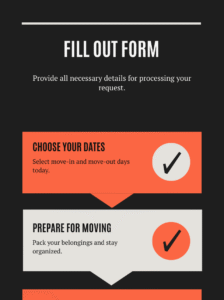
    • Finalise your move-in and move-out dates.
    • If you are moving to a condo, or from one condominium flat to another:
      • Submit a move-out form at your current condo.
      • Submit a move-in form at your new condo.
      • These condominium forms help ensure the lift and loading bay are reserved for your move, avoiding clashes with other scheduled moves.
      • Missing forms or unconfirmed slots can delay your move.
    Form with move in move out date

    Step 2) Start Packing Early

    • Begin packing at least 1 to 2 weeks before your move.
    • Pack by room and label each box clearly.
    • Get foam boxes (available at NTUC Fairprice Xtra) to pack frozen food from your fridge/freezer.
    • Set aside any items to donate or discard.
    • Use apps like Carousell and Olio to donate or sell items. Alternatively, you can consider donating to these donation drives too.  
    • If you require bulky item disposal, storage spaces or even unpacking services in your new home, enquire with your mover:
      • If the service is offered.
      • The additional costs involved. 
    Start Packing Early

    Step 3) Arrange Your Utilities And Internet

    • Schedule disconnection of utilities at your old place and activation at your new home.
    • Cancel and resubscribe, or transfer your internet provider subscription (Singtel, StarHub, M1) to your new address.
    • Schedule installation or activation of your internet at your new home. 
    • Some providers need a few days to a few weeks to process your request. Don’t wait.
    wifi and water from tap and electricity

    Step 4) Reconfirm With Your Mover

    • Reconfirm the moving date and time with your mover a few days before your move.
    • Some movers require a small deposit to confirm your slot. Make sure your deposit has been paid. 
    • Ensure any additional services you require (e.g. disposal services, storage spaces, unpacking services) are booked in advance. 

    Step 5) Pack An Essentials Bag

    • Pack a small bag with 1 to 2 days of clothes, toiletries, chargers, snacks, medication, and important documents.
    • Keep all valuables with you (inside your essentials bag) during the move.
    • Think of this bag as your short staycation kit. So that you do not need to unpack everything immediately after you move. 
    Essntials bag with clothes and baby bottle and toiletries bag with brush and paste

    Step 6) Do A Final Walkthrough & Cleanup

    • Check every cupboard, drawer, and corner.
    • Take time-stamped photos of the property condition (especially for rentals).
    • Clean the home yourself or engage a professional cleaner.
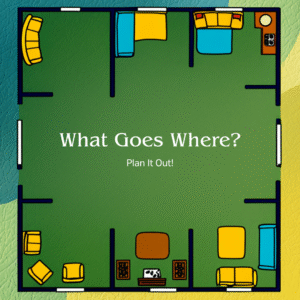
    • Plan out where you want to put bulky furniture and appliances in your new home. 
    What goes where floor plan for new home

    Step 7) Unpack and Settle In

    • Tell your mover where to place bulky furniture (as planned in the previous step). 
    • Ensure all furniture is reassembled (if this was part of your moving service.)
    • Test your appliances, electronics, utilities and Wi-Fi.
    • Unpack one box at a time and dispose of packing materials responsibly.
    • Update your address in the Singpass app, and notify your banks, telco, and other services.

    Final Checklist Tip

    Bookmark this page or print this checklist to stay on track during your move.

    Still calculating how much you need to engage a professional mover? Use this house moving service price estimator to find out.

    Bookmark this checklist page before moving homes cover photo with moving truck